
Three major dictionaries closed out 2025 by agreeing on a single word. "Slop" — low-quality, low-effort, high-volume AI-generated content — was named Word of the Year by the Macquarie Dictionary, Merriam-Webster, and the American Dialect Society. Lexicography as smoke alarm. The defining experience of being online had become wading through machine-made mush, and seven months later, the backlash that recognition predicted is reorganizing social media.
From shrimp Jesus to the default feed
The flood arrived in late 2025, when AI image and video generators got good enough, cheap enough, and fast enough to industrialize posting. It started as surreal novelty — the shrimp Jesus era — and hardened into the norm: endless low-effort animations and synthetic imagery clogging feeds. You see it most where the audiences are biggest. On YouTube, TikTok, and Instagram, running into AI-generated media is now routine, not remarkable.
And the problem isn't aesthetic. Media researchers point out that slop routinely borrows celebrity likenesses without consent, depicts events that never happened, and packages sensational, misleading scenarios for clicks. At that volume, it does more than annoy. It eats the baseline trust that lets you assume what you're seeing is real — and turns verification into a daily chore nobody signed up for.
The audience votes with its feet
The human response has a name now too: AI overwhelm. Algorithmic burnout. Users and creators describe exhaustion with feeds optimized into synthetic sameness, and a meaningful number are leaving — for Reddit, group chats, and messaging apps, anywhere engagement still feels like it involves people. The pattern holds across platforms: when the open feed stops feeling human, attention retreats to spaces where humanity is verifiable.
Authenticity becomes a product
Where audiences go, marketing follows. 2026 is shaping up as the year of anti-AI marketing, and the emblematic move came from iHeartMedia, which rolled out a "guaranteed human" tagline — no AI-generated personalities, no AI-generated music. Think about that. Human-made, once the invisible default of all media, is now a differentiator worth advertising.
That inversion is the deepest signal here. Brands only certify what customers doubt. A "guaranteed human" stamp is an admission that the default assumption has flipped, and a bet that authenticity is the scarce commodity people will soon pay a premium for.
Can the flood be tamed?
The containment forces are converging: platform refinements to detection and ranking, regulatory attention, and — maybe strongest of all — user fatigue, which drains the engagement economics that made slop profitable in the first place. Optimists see authentic content innovation waiting on the other side.
The realistic outlook? A split-screen internet. Generation tools aren't getting worse, so the open algorithmic feed will keep carrying a heavy synthetic load. Around it, though, a counter-economy is going up — human-verified spaces, community platforms, brands staking their identity on realness. For creators and marketers, the strategy question of 2026 isn't how to ride the algorithm anymore. It's which side of the authenticity line you're on — and whether your audience can tell.
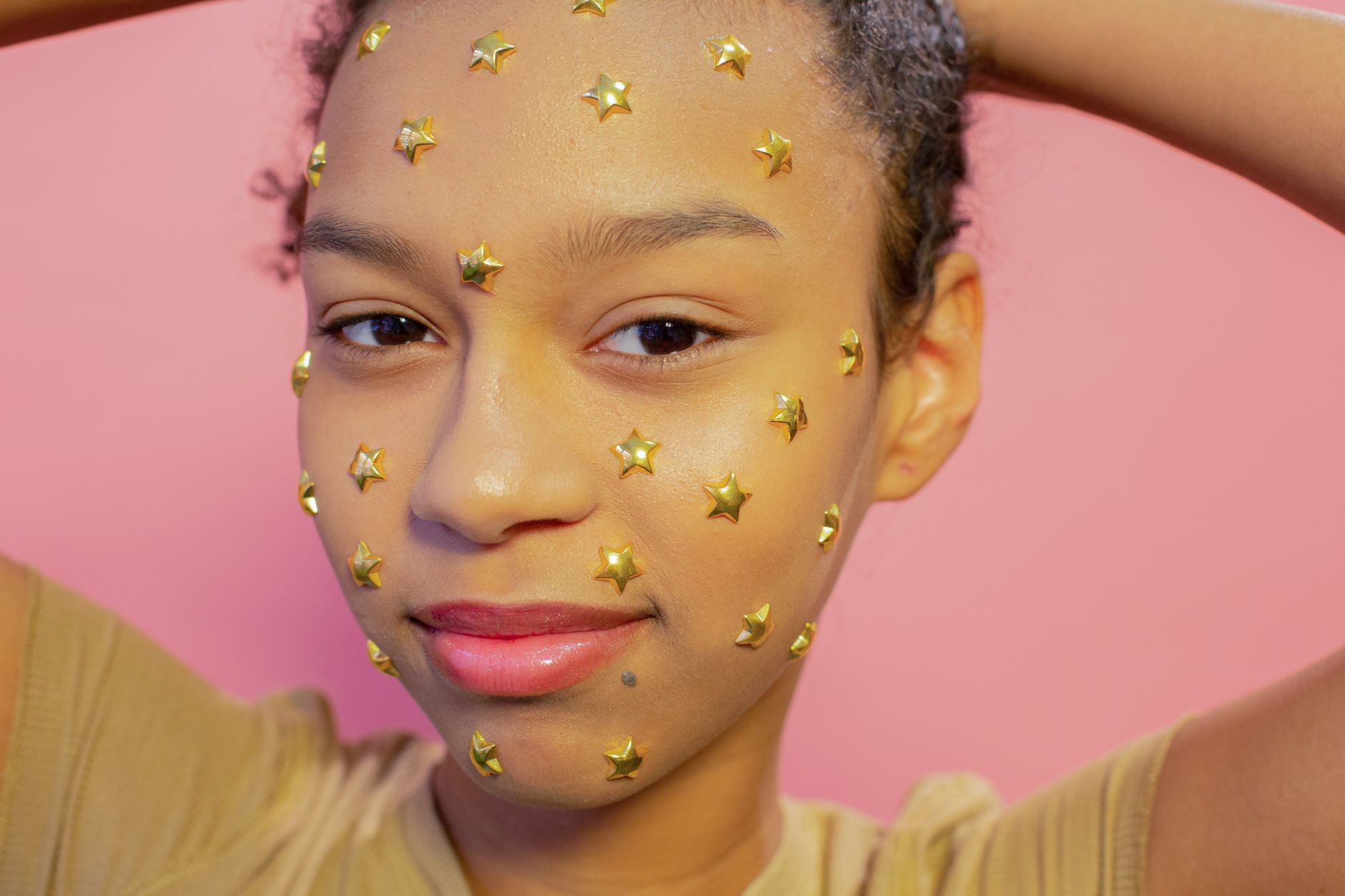
Image: Robin Worrall, via Unsplash