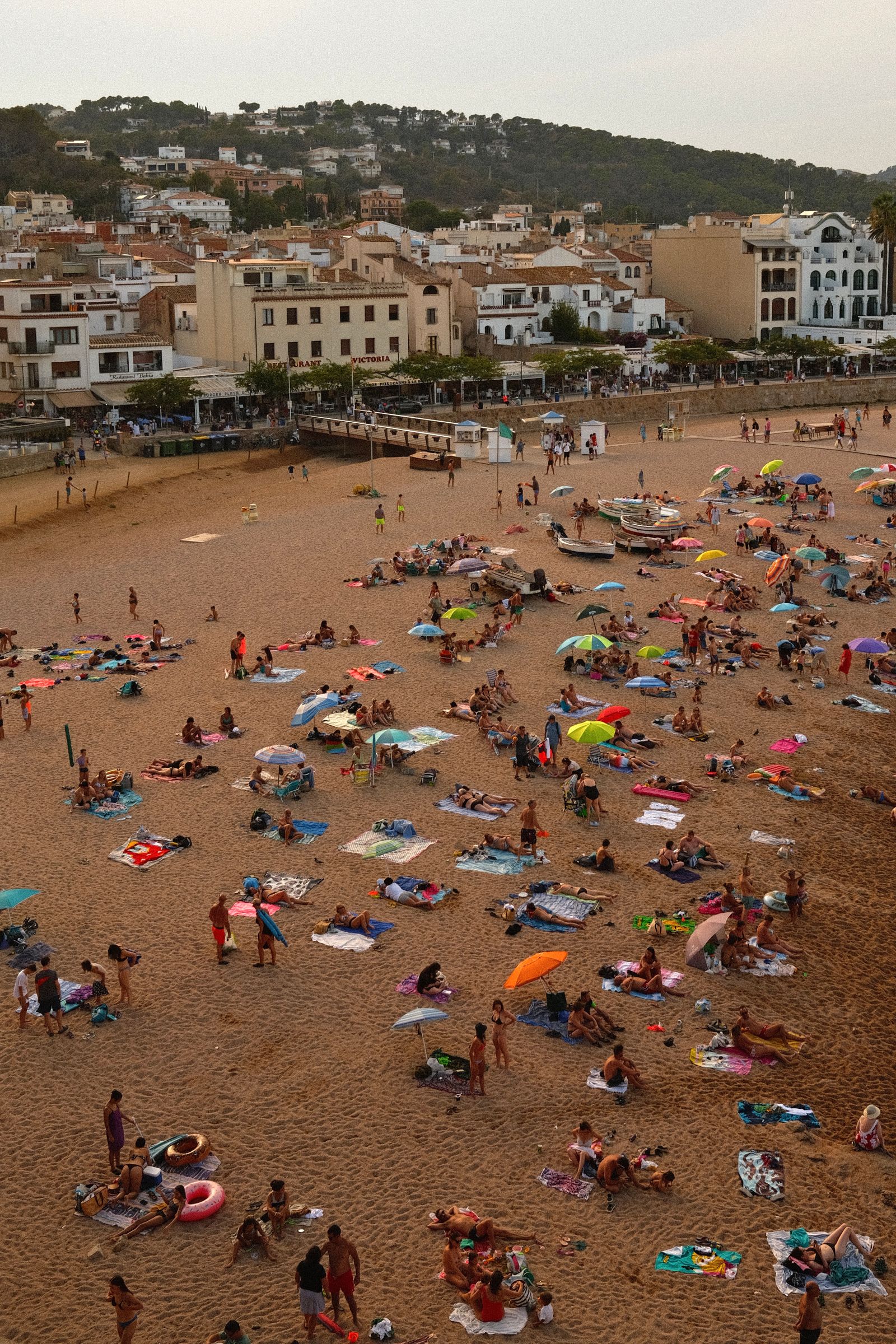
On July 4th, thousands of teenagers converged on Newport Beach's Balboa Peninsula. They hadn't coordinated in secret. The invitation had been circulating on TikTok for weeks, promoted like a festival — and what followed produced 402 arrests, up from 60 the year before. A week later, police 30 miles inland issued a warning about the next one.
The takeover playbook
The "teen takeover" follows a script by now. A video invites everyone to show up at a specific place and time — a beach, a mall, a theme park. The algorithm does the distribution. Nobody owns the event, everybody reshares it, and on the day, a crowd arrives that no venue planned for.
Newport Beach showed the format at full scale, per reporting at AZFamily and Inside the Magic: weeks of online promotion, thousands of attendees, then violence, vandalism, and panic as the gathering tipped. The detail that stunned police: nearly half of those arrested had traveled from out of state — mostly Arizona and Nevada. A beach party's catchment area used to be a bus route. An algorithm's is the continent.
Knott's braces for round two
Days later, Buena Park police confirmed they were tracking a planned "takeover" of Knott's Berry Farm, ABC7 reported. The response says a lot about where this is heading: warnings issued in advance, organizers being identified with the park's help, and a promised high-visibility police presence both inside the gates and across the surrounding entertainment district.
The Los Angeles Times places the moment in a longer pattern — dozens of TikTok- and Instagram-promoted takeovers of parks, malls, and public spaces across the U.S. in recent years. This isn't one rowdy holiday. It's a repeatable format with a distribution engine behind it.
Why the format spreads
Three ingredients keep it going. The algorithm rewards spectacle — chaos clips from the last takeover become the ads for the next one. Anonymity in a crowd lowers the personal price of showing up (though 402 bookings suggest that math is changing). And for the organizers, pulling a crowd is itself the flex: proof of reach, monetizable in followers.
That's what separates this from every prior generation of flash mobs: scale on demand. A kid with zero followers in the right hashtag ecosystem can summon a city's worth of peers to a single intersection.
The collision that's coming
Venues and cities are now adapting the way platforms never quite have. Expect more chaperone policies at theme parks and malls, curfew enforcement, event-style policing of ordinary weekends — and, as the takeover wave feeds the broader panic about teens online, more fuel for the under-16 social media bans already moving through legislatures.
The takeaway worth sitting with: social platforms have become physical-world event infrastructure, with none of the accountability that word implies. Ticketmaster knows who's coming. TikTok just knows the video went viral. Until that gap closes — through moderation, law, or liability — every public space in America is one trending video away from hosting an event it never scheduled.
Image: Wendy Wei, via Pexels