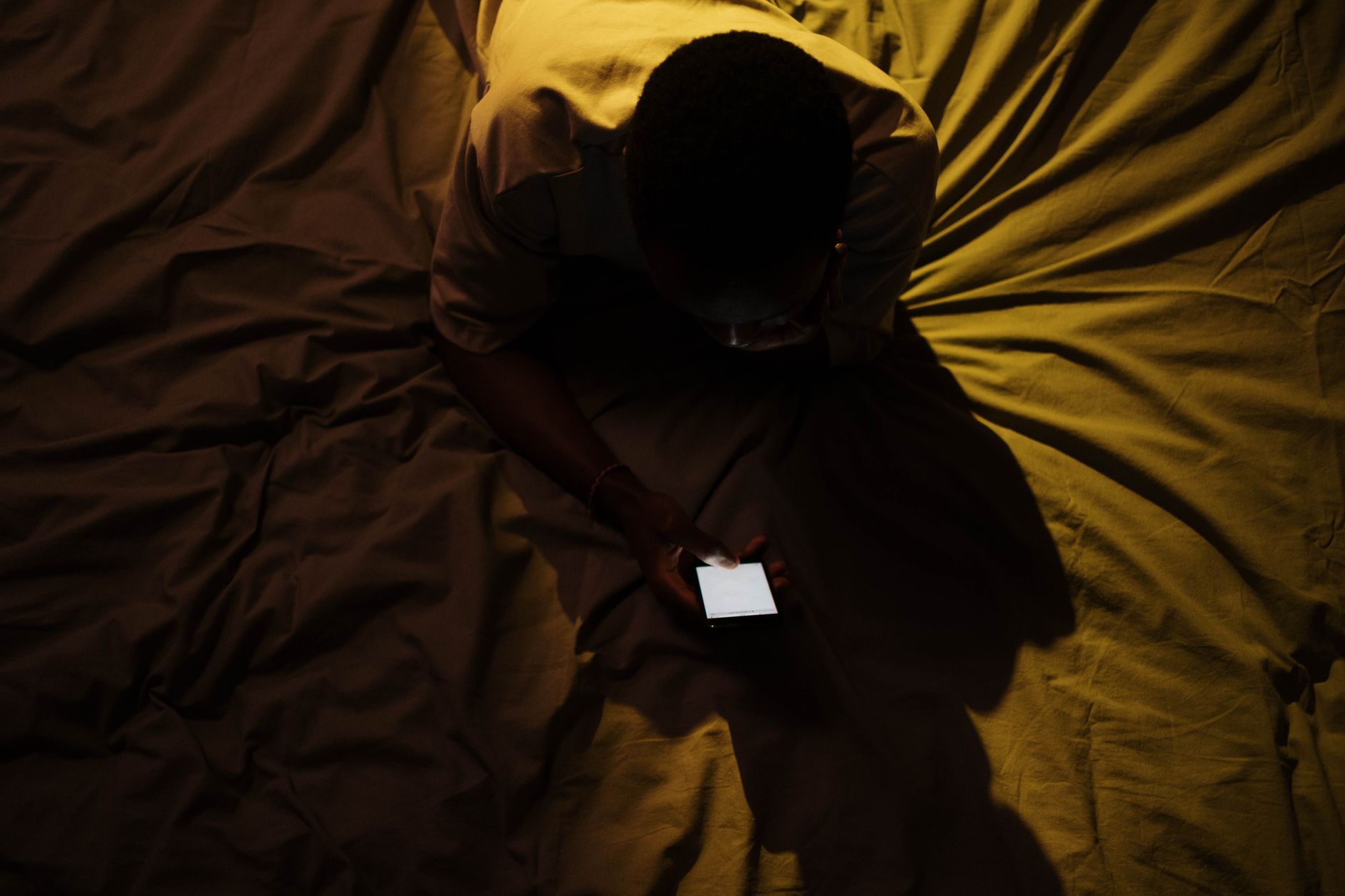


Forty-seven seconds. That's how long the average person now stays on one screen before switching to something else — down from about two and a half minutes twenty years ago. It's the defining statistic of our relationship with technology, and in 2026 it has finally triggered a real response: people are treating attention like a health metric and building boundaries to protect it.
The numbers behind the fog
The 47-second figure is just the headline. The data underneath is more uncomfortable. Viewers now decide whether to keep watching a video within 3 seconds. And 52% skip videos longer than a minute — even when the topic interests them. The urge to bail has outrun the desire to know.
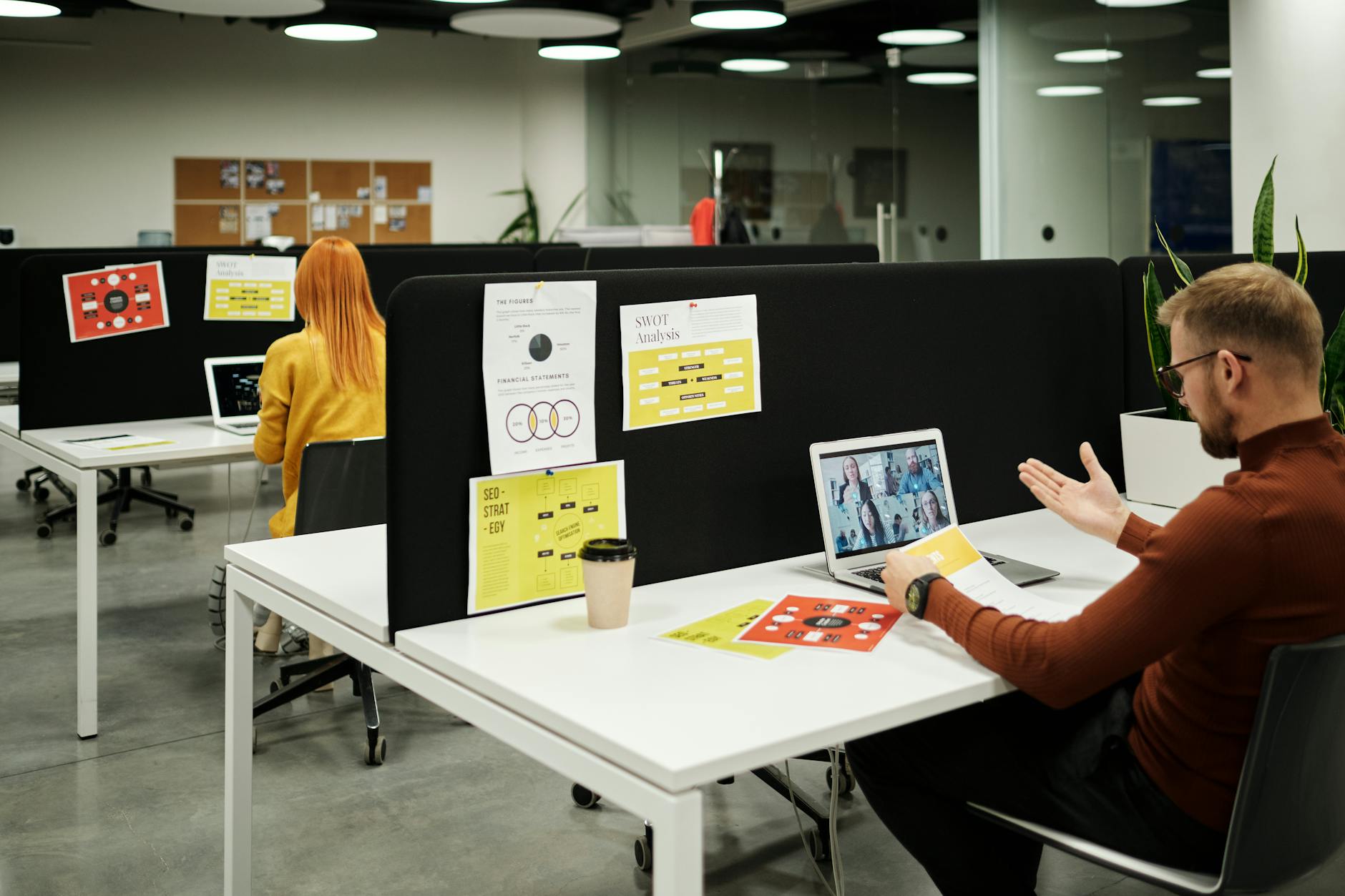
Work offers no shelter. Focus efficiency has slid to a three-year low of 60%, while collaboration time is up 34% and multitasking up 12%. Always-on connectivity and algorithmic feeds aren't just eating leisure hours. Researchers say they're reshaping attention itself, along with stress response and emotional regulation.
Why 2026 feels different
Screen time sits at record highs, and the forces behind it — AI tools, social feeds, remote work, round-the-clock pings — aren't going anywhere. What's changed is the response. The digital detox has shed its wellness-retreat image. One trend report puts it plainly: necessity now, not luxury.
The deeper shift is philosophical. Boundaries as a way of life, not a band-aid. The weekend-off-grid model treats the symptom, then returns you to the same inputs on Monday. The 2026 version builds recurring structure — screen-free mornings, notification-free focus blocks, single-screen evenings — so recovery isn't something you book twice a year.
The good news: attention bounces back
Here's the encouraging part. Attention recovers, and it recovers fast. Structured-break studies report attention span restoring by as much as 32% after one week of reduced screen exposure. Rule-based "digital fasting" — scheduled reductions, not cold turkey — cut daily screen use in half in one program, and 90% of participants said their thinking felt clearer. Wider research links deliberate device breaks to lower stress and gains in both mental and physical health.
Attention behaves less like a depleted resource, more like a detrained muscle. Rest it and it rebuilds.
Where to start
The research points to structure over willpower. Pick one recurring window — the first hour of the morning is the popular choice — and keep it screen-free. Kill every notification that isn't an actual human trying to reach you. And when you watch or read something, let it finish before starting the next thing. That 3-second bail reflex weakens with practice.
None of this means abandoning technology, and that's the point the 2026 movement seems to have absorbed. The goal isn't less screen for its own sake. It's getting back the two minutes of unbroken thought the screen quietly took.