
There's a decent chance your next video call includes an attendee nobody introduced: a bot, quietly taking minutes. Whether anyone actually agreed to that is a separate question — and it's become one of the odder workplace fights of 2026.
AI notetakers like Fathom, Otter and Granola spread through Zoom and Teams calls much faster than any rules about using them. They join silently, transcribe everything, and email around tidy recaps afterward. Useful? Absolutely. And then the problems show up.
The bot that doesn't leave
Here's the story HR keeps hearing, in various flavors. Meeting ends. The organizer drops off. A few coworkers hang around to chat — about the meeting, about a colleague, about things they'd never put in writing. Except the notetaker stayed. And its transcript, gossip included, goes out to the entire invite list. Including the person being discussed.
Nobody hacked anything. Nobody meant to leak anything. A private conversation simply became a distributed document, because software doesn't know when the meeting is "really" over.
Every word becomes a file
Past the awkward stories sits the structural problem: a notetaker turns everything said into stored, searchable, forwardable data. Personnel matters. Unannounced strategy. Trade secrets. The offhand comment that reads terribly in a deposition two years from now. All captured — frequently without anyone knowing where the transcript is actually stored, or what systems it passes through.
The lawyers noticed first. Employment attorneys describe a growing line of work in notetaker mishaps, and one mistake stands out for sheer cost: transcribe an attorney-client conversation and let that file travel to unknown servers, and the conversation may lose its privileged status. The tool that summarized your legal strategy might have quietly un-protected it.
Why people bristle
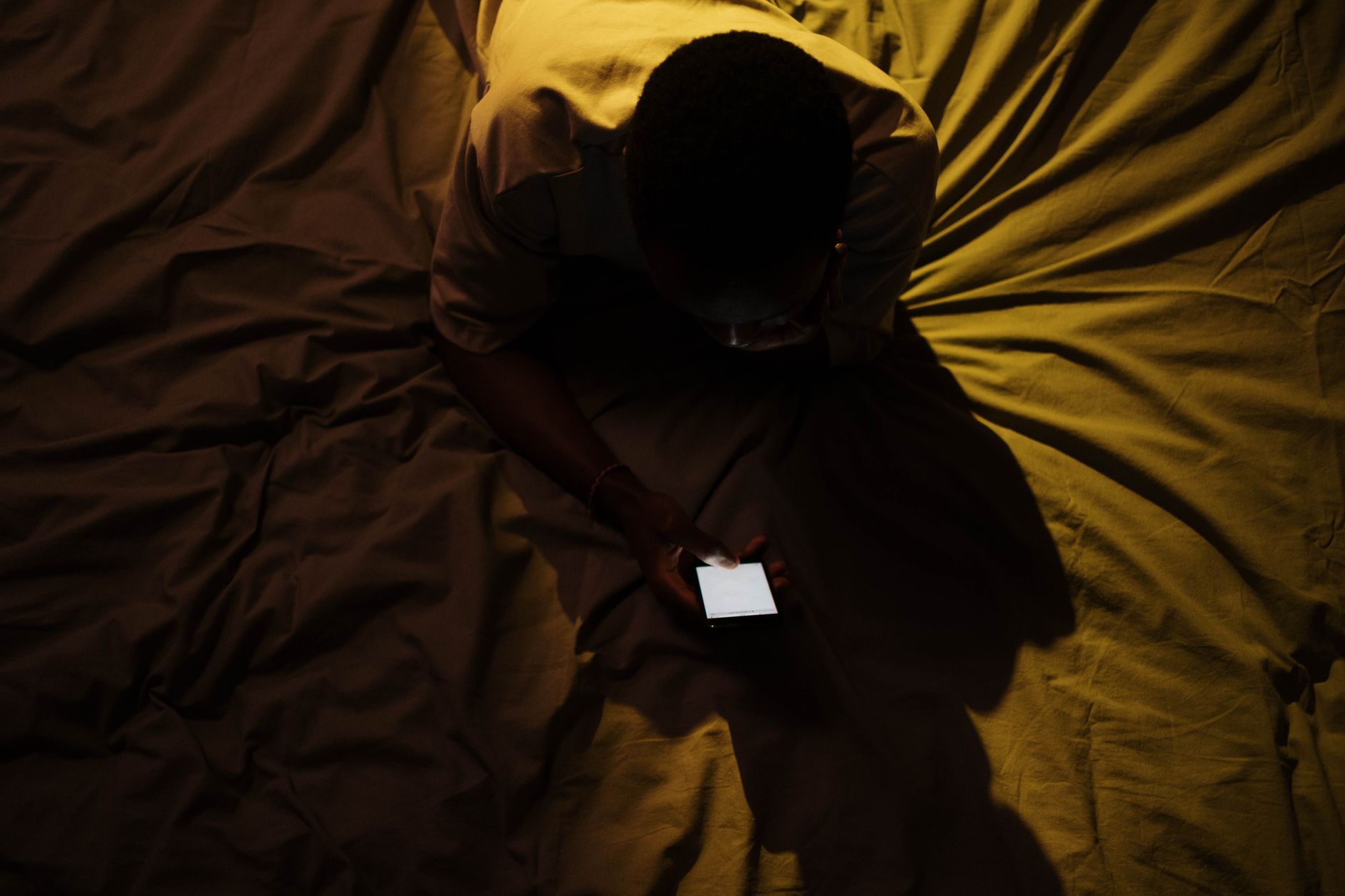
And then there's the feeling. Meetings change when everyone knows a permanent record is forming. People describe an unannounced bot as surveillance, or like being interviewed under oath instead of talking with colleagues. The half-formed idea, the admitted mistake, the honest disagreement — those happen because spoken words used to evaporate. Now they accumulate.
So the pushback isn't paranoia, and it isn't rare. Plenty of professionals are asking whether an automatic recap is worth what it does to the room. A lot of the objection boils down to something simpler: nobody asked.
The rules taking shape
The emerging etiquette is refreshingly short. Ask before you bring a bot — springing one on a meeting reads as robotic and rude. Say it's there at the start, so nobody finds out afterward that the attendee list included software. And skip the notetaker entirely for sensitive conversations, which are exactly the ones that shouldn't generate a transcript.
Companies just need the grown-up version of the same list: decide which meetings allow bots, trace where transcript data goes before rolling a tool out, and make sure the thing disconnects when the humans do.
Tool, not witness
Notetakers fixed a real annoyance — nobody misses "wait, who was taking notes?" But the fix shipped with a recording apparatus nobody explicitly voted for, and workplaces are writing the rules two years late. Until yours catches up, the personal policy is easy: assume the bot is listening, and ask before adding one. Five seconds of asking is the difference between a tool and a witness.
Image: Diva Plavalaguna, via Pexels