
Your Sleep Score Might Be Costing You Sleep
Google''s new watch will tell you every morning how ready your body is for the day. It comes alongside a sleep breathing quality measure tracking blood oxygen minute by minute, and a redesigned morning summary that hands you your recovery status before you''ve sat up.
That''s where consumer health tracking has landed: not just data, a verdict. And there''s now reasonable evidence that for a meaningful slice of people, the verdict is the problem.
Almost everyone is tracking something
Sixty-four percent of Americans track at least one aspect of their health daily, according to a 2026 survey of more than 2,000 adults. Sleep sits near the top — 60 percent track duration, 47 percent track quality.
The same survey turned up something that gets discussed far less. More than one in three people have stopped tracking a health metric specifically because it was making them feel worse mentally.
That''s not a fringe reaction. That''s a third of trackers quietly deciding a number was hurting them.
The thing has a name
Researchers call it orthosomnia: an unhealthy preoccupation with hitting a "perfect" night of sleep as measured by a wearable or app, to the point that chasing the score starts wrecking the sleep.
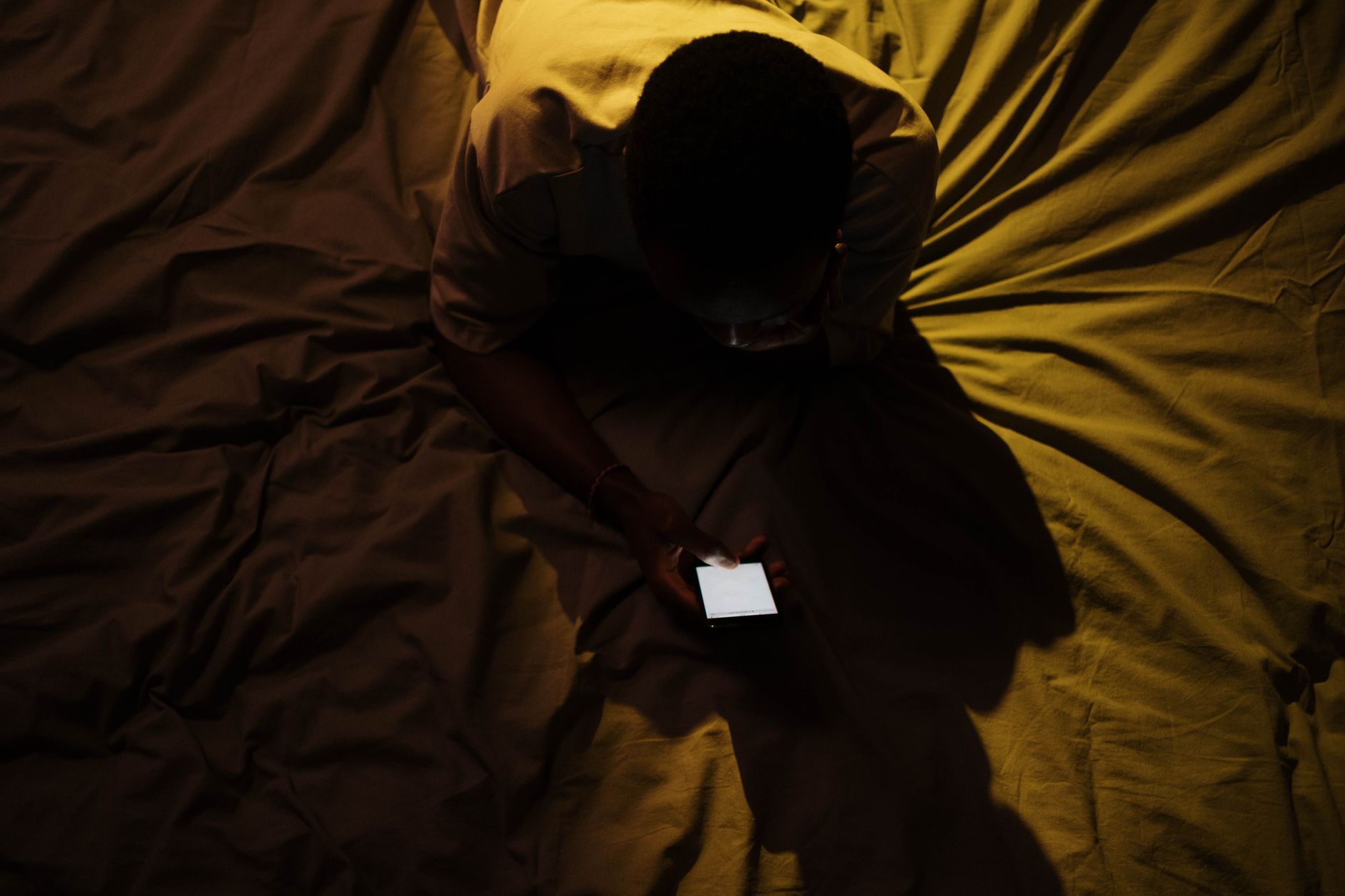
The loop is easy to picture and hard to climb out of. Bad score. Worry about sleeping badly again. Worry keeps you up. Worse score. Now there''s a trend line confirming exactly what you were anxious about, and the device has become the source of the problem it''s measuring.
How common? A study of 523 adults found somewhere between 3 and 14 percent of the general population shows signs, depending on how strictly you define it. That''s a wide band, and the width is the point — this is a spectrum, not a switch, and where you draw the line changes the answer enormously.
Who''s actually at risk
Trackers don''t do this to everyone. The research is consistent that risk clusters among people with perfectionist traits or existing anxiety.
Which is an awkward irony. The person most likely to buy a device promising to optimise their recovery is often the person most likely to be wrecked by a number telling them they failed at it. The marketing selects for the vulnerability.
If you''ve ever woken up feeling genuinely fine and then talked yourself out of it because the app disagreed, you''ve met the mechanism. The score overruled the experience. The experience was the better measurement.
Keeping the data without the damage
None of this means bin the watch. Sleep tracking surfaces real patterns, and for anyone investigating disrupted sleep it can produce useful information. The clinical guidance is about how you hold the number, not whether you collect it.
Read weeks, not nights. One night''s score is noise. A fortnight is signal. Checking nightly optimises for anxiety and tells you next to nothing.
Check yourself before you check the app. Notice how rested you feel, then look. If the number keeps rewriting a judgment you''d already made, that''s worth taking seriously.
Take deliberate breaks. A week without tracking is its own diagnostic. If your sleep improves when nobody''s grading it, you''ve learned something the device couldn''t tell you.
Get real help for real insomnia. The recommended treatment for persistent insomnia is cognitive behavioural therapy for insomnia — CBT-I. It has an evidence base behind it. A readiness score treats nothing.
Where this is heading
The metrics are multiplying, not consolidating. Blood pressure patterns, insulin resistance trends, breathing quality, readiness — every sensor generation adds another number with a judgment stapled to it.
Some of that is genuine medical progress arriving on people''s wrists, and it shouldn''t be dismissed. But a device that issues a daily ruling on your body is a psychological object as much as a technical one, and the industry has thought a lot harder about the sensors than about the rulings.
Your body already files its own report. When the watch and the feeling disagree, the feeling has the better track record.
If sleep problems are persistent or affecting how you function day to day, it''s worth talking to a doctor rather than a device.
Image: Polina ⠀, via Pexels