

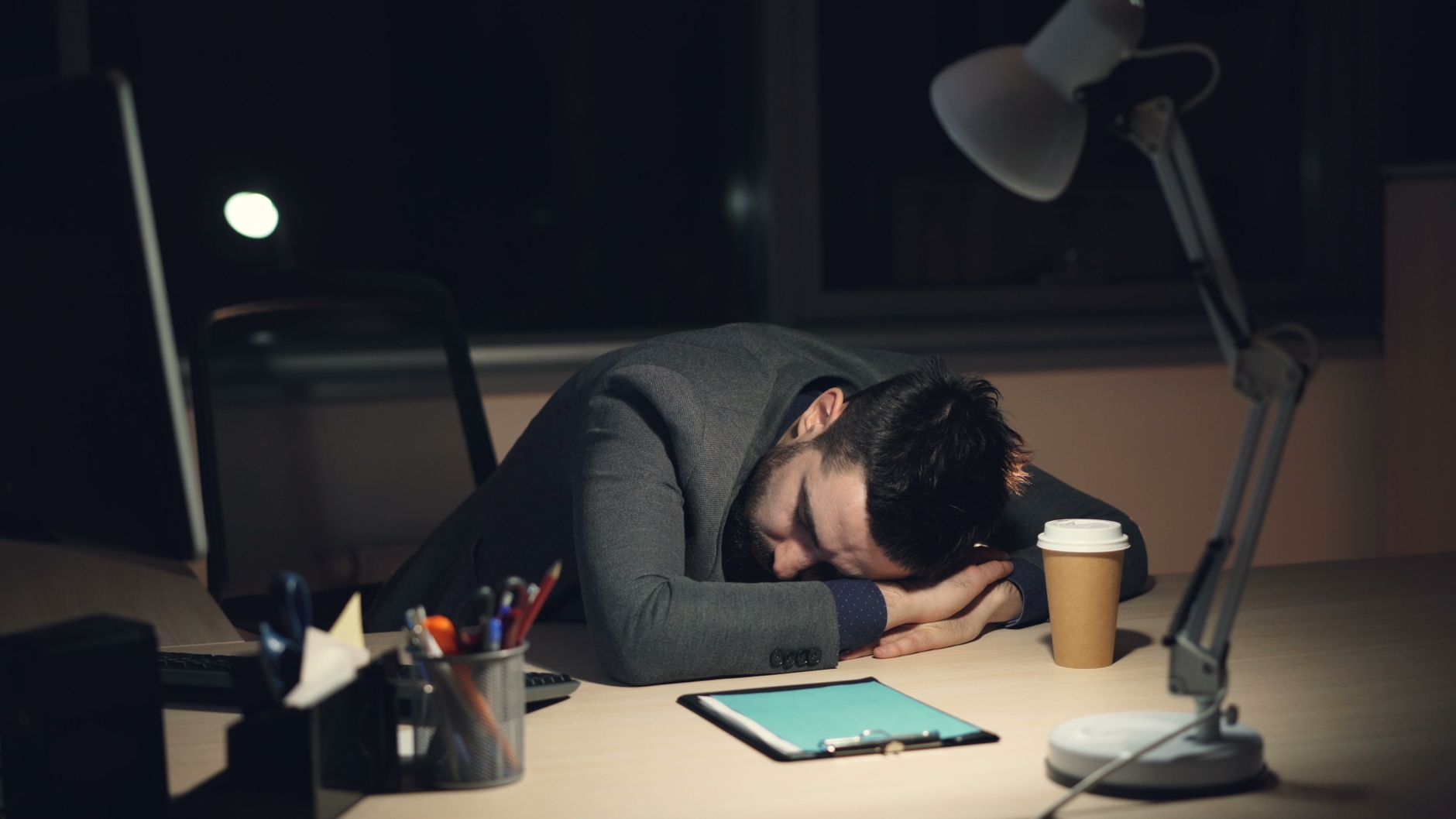
Tech has accidentally run a perfect experiment on how work works, and the two test groups couldn't be further apart. In Silicon Valley, the loudest founders and investors are preaching 996 — 9am to 9pm, six days a week, imported from China — as the entry fee for the AI race. Meanwhile in Hangzhou, the founder of one of that race's biggest winners says his team doesn't even do overtime.
The gospel of grind
The intensity arms race has been building for a while. Harry Stebbings of 20VC lit the fuse when he announced Silicon Valley had "turned up the intensity" and warned European founders to keep up: "7 days a week is the required velocity to win right now. There is no room for slip-up." LinkedIn took it from there — feed after feed of founders insisting that copying China's 996 model is now table stakes.
Here's the detail that should give everyone pause, via ChinaTechNews: China banned the thing. The Supreme People's Court declared 996 illegal back in 2021. A schedule Chinese workers protested and Chinese judges struck down is now a badge of honor on Sand Hill Road.
The man who won't play
Enter Liang Wenfeng. In a nearly four-hour sit-down with staff, reported by Fortune, the DeepSeek founder described a lab missing all the standard corporate machinery. No KPIs. No overtime. "No one manages them." His words: "We generally don't work overtime."
And his logic isn't warm-and-fuzzy — it's operational. One: "research needs a relaxed environment; if you push too hard, you can't do research." Two: "we're very focused, which means we do very few things." Fewer bets, deeper attention, brains that aren't fried.
Now the part that makes hustle-culture posters squirm, courtesy of Crypto Briefing's framing: DeepSeek is about three years old and valued at $60 billion. The lab that repeatedly shook the entire industry was built, according to its founder, by people who go home. Liang doesn't even gloat — he calls his team "a bunch of very ordinary people" and says he just hopes the culture survives growth.
What's actually being argued
Strip the posturing and this is a disagreement about where breakthroughs come from. The 996 camp says output scales with hours: butts in seats, progress out. Liang's camp says output scales with conditions: insight needs focus plus slack, and pressure kills it. Don't skip past "we do very few things" — that might be the sharpest line in the debate. DeepSeek's calm isn't slack. It's brutal prioritization wearing a relaxed face.
For those of us not founding AI labs
The same fork shows up in a normal week: when work piles up, do you add hours or cut commitments? The loud answer right now is add hours — seven days, no slip-ups allowed. The quiet answer built a $60 billion company. So the next time someone tells you exhaustion is simply the price of ambition, you're allowed to point out that the evidence disagrees with itself — and the best-rested team in the room is doing fine.
Image: Vitaly Gariev, via Pexels