After years of productivity culture chasing more apps, more automation and more simultaneous tabs, a quieter idea is resurfacing in 2026: do one thing at a time, and protect the conditions that let you do it well. Call it single-tasking — a deliberate pushback against the fragmented, notification-driven workday.
Why the pendulum is swinging back
The case against constant multitasking is not new, but it is landing harder now. Every time your attention jumps between tasks, it pays a switching cost — a few seconds to reorient, plus the residue of the thing you just left. Stack dozens of those switches across a day, driven by pings and pop-ups, and a huge share of your capacity evaporates into transitions rather than actual work.
The same design-literacy thinking reshaping personal screen habits applies to work. Many of the tools we use are built to interrupt, and treating those interruptions as optional rather than mandatory is the foundation of a calmer, more effective day.
Build the day around focus blocks
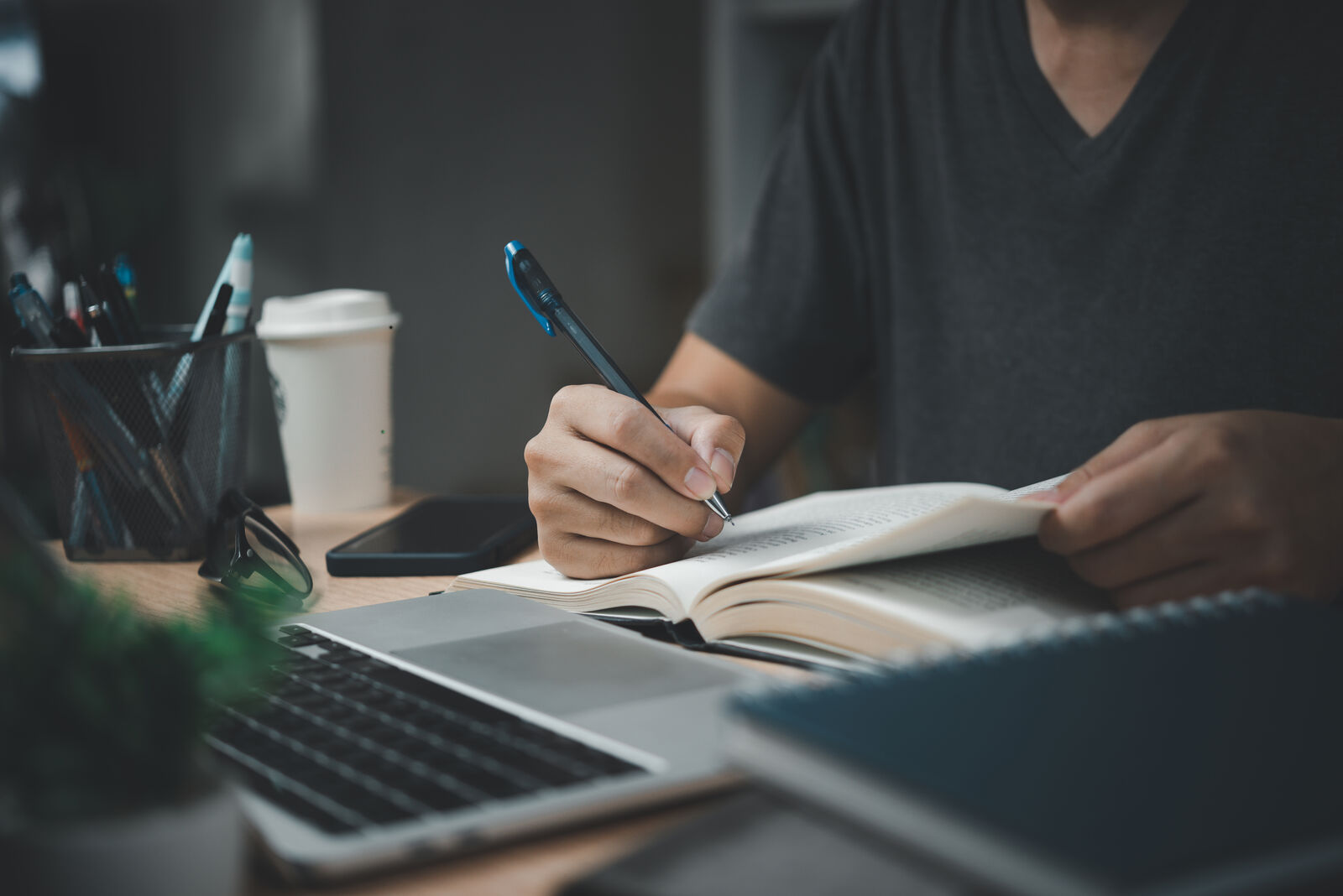
The core practice is simple: reserve uninterrupted blocks for your most demanding work, and defend them. Ninety minutes on a single task, with notifications silenced and your phone in another room, will typically produce more than a whole afternoon of fractured attention. Put these blocks on your calendar as real commitments, not aspirations.
Batching similar small tasks helps too. Rather than answering messages the instant they arrive, gather them into a couple of dedicated windows a day. This keeps shallow work from bleeding into the deep-focus time where your best output happens.
Make the environment do the work
As with screen habits, structure beats willpower. Close the tabs you are not using. Turn off email and chat notifications during focus blocks. Keep a single, visible list of the day's few genuine priorities rather than an overwhelming catch-all. The goal is to remove decisions and distractions in advance, so that focusing becomes the path of least resistance.
Protect the inputs
Productivity is not only about output; it depends on the raw materials of attention — sleep, movement and breaks. Short pauses between focus blocks, a real lunch away from the screen and a firm stop at the end of the day are not indulgences. They are what make sustained concentration possible over weeks rather than a single caffeinated sprint.
The bottom line
The most durable productivity advice for 2026 is also the least flashy: fewer things at once, done with full attention, in an environment designed to support focus. You do not need another app. You need to give one task at a time the room to be done well — and to guard that room against the endless pull to do everything at once.