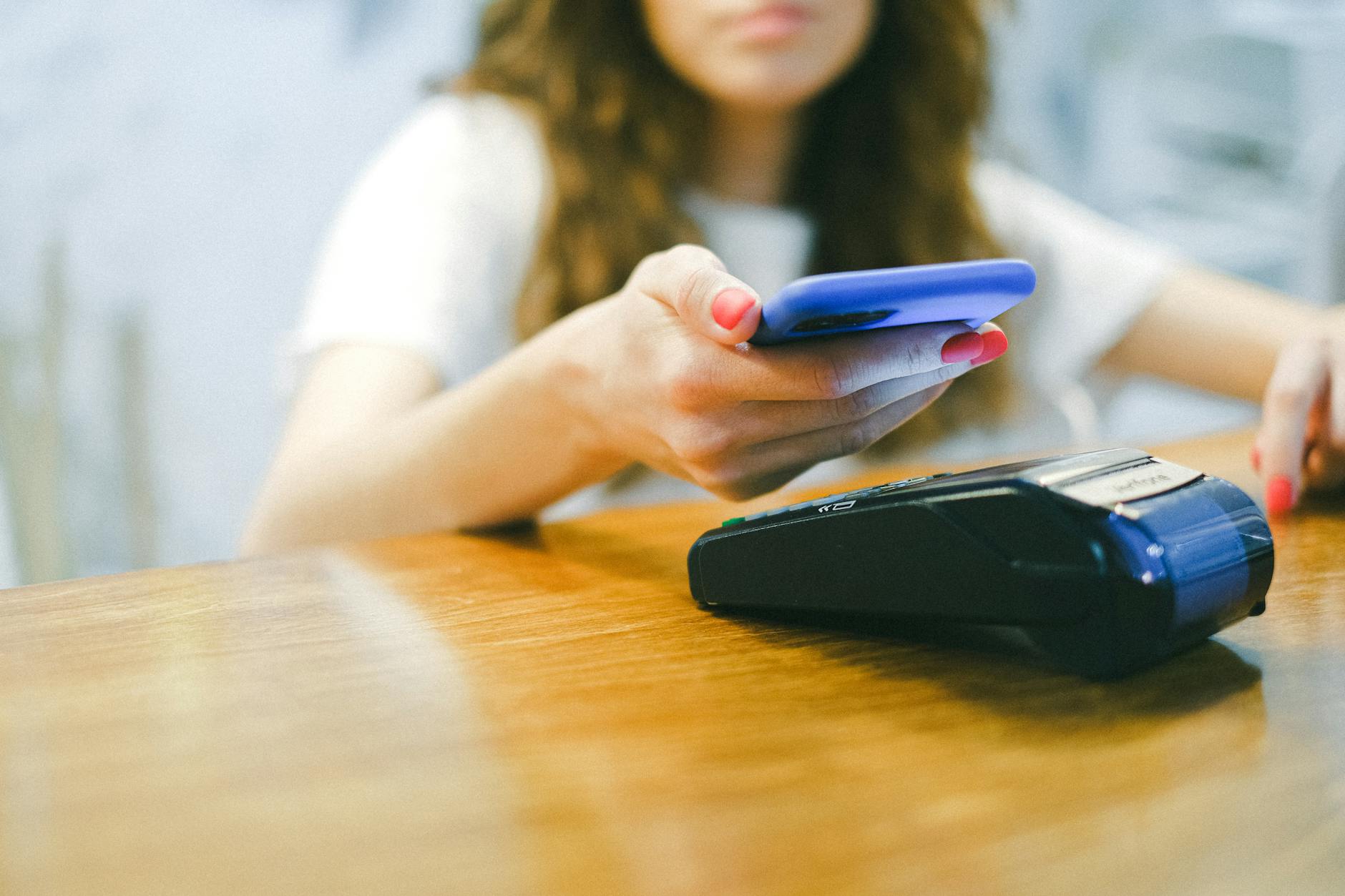

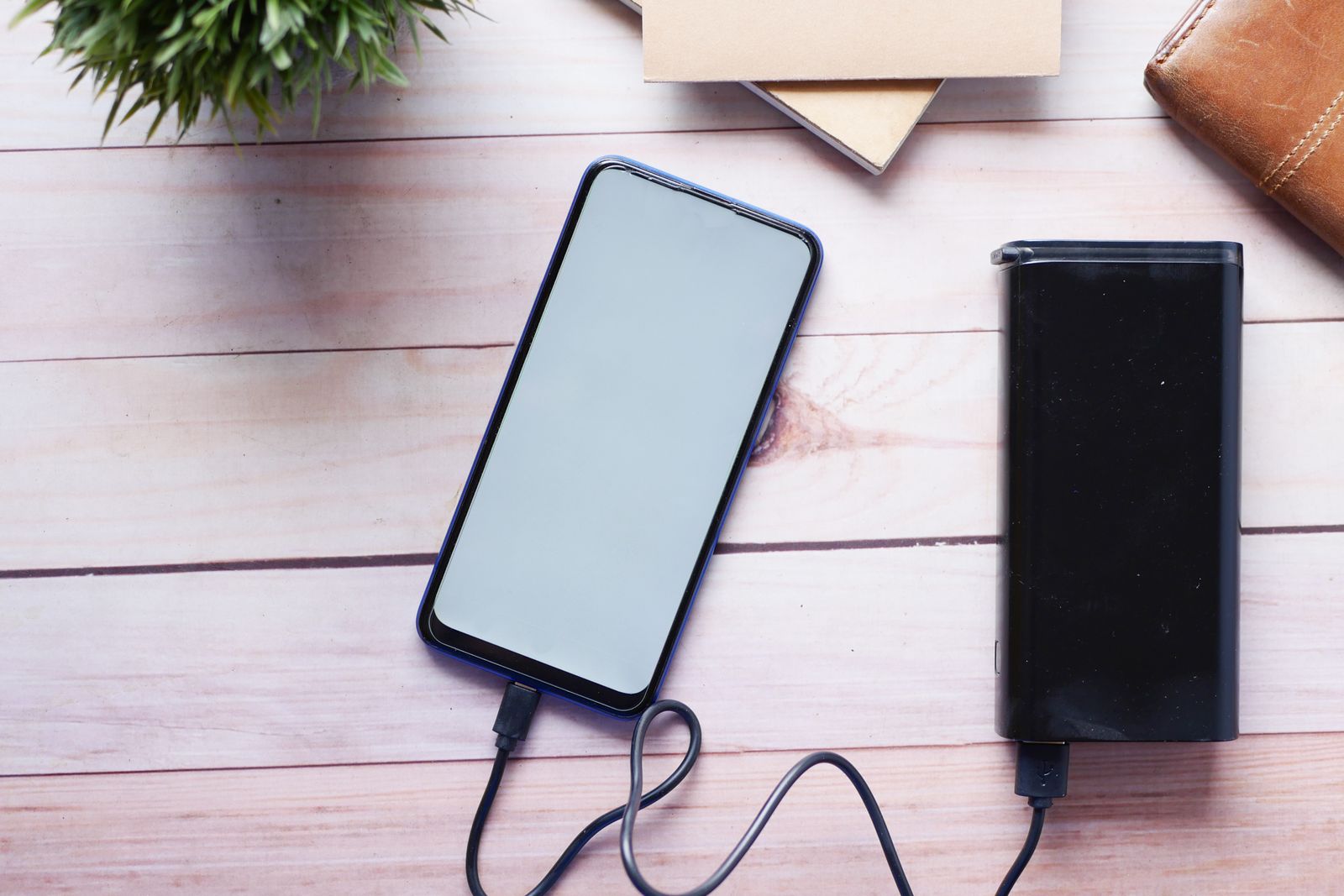
The humble power bank — the most boring, essential slab in any bag — is suddenly the most regulated thing you carry. A wave of new rules landed this spring. If your everyday carry includes a battery, the game changed while you weren't looking.
The new global baseline
Start with the big one. ICAO, the UN body that writes aviation dangerous-goods standards, approved an addendum to its Technical Instructions that became applicable March 27, 2026. Two changes matter for your bag: a limit of two power banks per passenger, and no recharging them during flight. It's rolling out across all 193 ICAO member states — so this isn't one airline being fussy. It's the world's new default, replacing the airline-by-airline patchwork that grew out of a string of inflight battery incidents.
What US airlines did with it
US carriers moved on May 1. American Airlines: two portable chargers max, each 100 Wh or under. Delta: identical policy, same day. Southwest went further — one power bank per passenger, under 100 Wh.
The handling rules matter as much as the counts. No more overhead bin storage; banks must stay visible and within reach, so crew can grab a misbehaving battery in seconds. No topping up from the seat-back USB either. Gate-checking your carry-on? Every battery comes out and rides in the cabin with you.
Underneath it all, the FAA baseline hasn't budged: spare lithium batteries never fly checked. Up to 100 Wh is fine, 101–160 Wh needs airline approval, and over 160 Wh stays home.
The math on your battery
Here's the annoying part — banks advertise milliamp-hours, the rules speak watt-hours. The conversion: Wh = mAh × voltage ÷ 1000. So a 27,000 mAh bank at 3.7 volts comes to roughly 99.9 Wh. Just under the line. Not a coincidence — that's why so many premium banks stop exactly there.
Check the printed label before you fly. Screeners increasingly look for it, and an unlabeled or beat-up bank is a confiscation waiting to happen.
Rebuilding the travel EDC
So the practical playbook now reads like this. Carry one excellent bank, not three mediocre ones — the two-bank cap makes redundancy pricey, and Southwest makes it impossible. Keep it at or under 100 Wh, label intact. Pack it reachable — seat pocket, not bottom-of-bag. Charge it full before you leave home, because you can't refill it in the air. And retire anything swollen, scuffed bare or missing its label. The gate is the worst place on earth to lose an argument about a battery.
The power bank earned its spot in the bag by being thoughtless. It demands a little thought now. Buy once, buy right, know your watt-hours.
Image: via Pexels