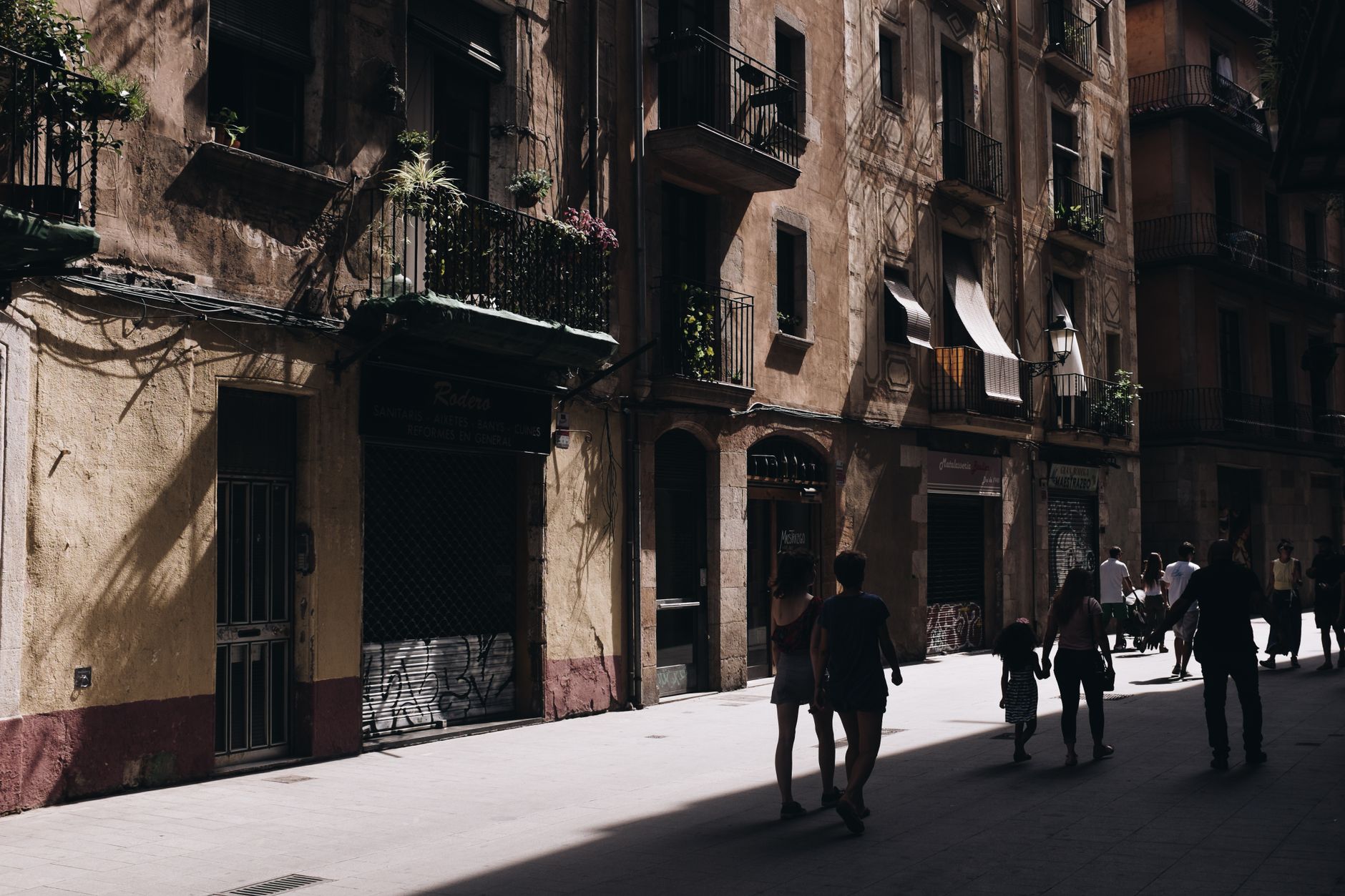
The signature travel move of summer 2026 isn't a place. It's a sidestep — away from the cities buckling under their own fame, toward wherever sits one valley, one border, or one ferry stop away. The industry even has a name for it now: the detour destination.
How we got here
Nobody swerves without a reason. Overtourism stopped being a think-piece topic and became something you could see and feel: crowds, environmental strain, and locals who've had enough. Zante, Mallorca, and Paris are among the European destinations most affected, and the advisory lists now say the quiet part out loud — maybe rethink that trip. Mexico City made the message impossible to miss: protests that started July 4 last summer, sometimes turning violent, aimed squarely at the wave of Americans and Europeans whose presence in trendy neighborhoods was pricing out the people who actually live there.
Hard to enjoy the fantasy of blending in like a local when the locals are marching about you. Travelers got the memo.
Where everyone's going instead
What the industry describes is a relocation of feelings, not a retreat from travel. People still want authenticity, connection, a sense of discovery — they're just sourcing it from places that can still handle guests. Romania, Bulgaria, and Slovenia keep coming up as the alternatives to Europe's worn-out headliners: the coastlines, old towns, and food cultures people fly across oceans for, minus the shuffle-and-queue.
The classics aren't empty, mind you. Italy is still the top pick for Americans this summer, Spain right behind it. What's changed is the shape of the trip. Activity bookings by U.S. travelers are up 35% this season — people building vacations around doing things instead of photographing them. Multi-destination itineraries are surging too: with prices high, stacking two or three places into one trip beats paying for separate vacations. The famous city gets demoted from the whole show to one stop on the tour.
The algorithm burnout is real
Under the logistics sits something more psychological. Trend watchers keep hearing the same thing: travelers want to leave the algorithm behind. They're tired of feeds assembling their itineraries, tired of the same fifteen overhyped places resurfacing endlessly. Everyone has learned how the viral loop ends — by the time a hidden gem hits your feed, it has a gift shop and a line.
Which explains the phrase analysts are using for 2026: travel is "about emotion, not destination." The question people are actually booking against isn't "where should I go?" It's "how do I want to feel?" Shoulder-to-shoulder with four cruise ships' worth of company rarely makes the shortlist.
What to do with this
If you're planning a trip, the math has shifted. The reflexive booking — the capital, the famous island — now costs more than money: crowds, local resentment, and a watered-down version of whatever you came for. The detour usually runs cheaper and delivers more of the actual feeling. And that 35% jump in activity bookings is its own advice — put the budget into doing something, not standing somewhere.
For the industry, the swerve is now strategy: detour destinations are shaping how trips get marketed and packaged. The beneficiaries should enjoy it while it lasts — today's detour is tomorrow's hotspot, and the cycle that swamped Mallorca doesn't stop out of politeness.
That's a problem for a future summer, though. Right now, the best trips are happening a step off the marked path — the second city, the next country over, the stretch of coast the feed hasn't found. The crowds taught travelers a lesson. The smart ones took it: the good stuff moved, and it's usually just a detour away.
Image: Cátia Matos, via Pexels