

The usual advice — thirty minutes of exercise, most days — has a practical flaw. It assumes a thirty-minute hole in your day. Most days don't have one. So researchers started asking a different question: what if you chopped movement into pieces small enough that scheduling stopped being the problem?
They call the answer "exercise snacks," and the definition is tighter than the name suggests: short, repeatable bouts of activity scattered across the day, usually running from about 20 seconds to 10 minutes.
What the research actually shows
This isn't a wellness slogan hunting for a study to back it up. A systematic review looking at exercise snacks as a way to break up sedentary time found consistent improvement across a specific list: postprandial glucose, insulin and triglyceride responses all got better, blood pressure dropped, endothelial and cerebral blood flow held up, and cardiorespiratory fitness improved.
Those first three deserve a translation. Postprandial just means after a meal — and how hard your blood sugar and blood fats spike after eating is one of the more meaningful health signals you can actually move day to day.
Bouts of five minutes or less, done a few times daily, have been shown to improve cardiorespiratory fitness and muscular endurance. The biggest gains show up in people who weren't exercising before. Start from nothing and you get the most out of it.
The catch nobody mentions
Here's what gets dropped when this idea goes viral. It only works if the bouts are actually hard. The cardiovascular and longevity benefits depend on real intensity — treat them casually and you're just moving around.
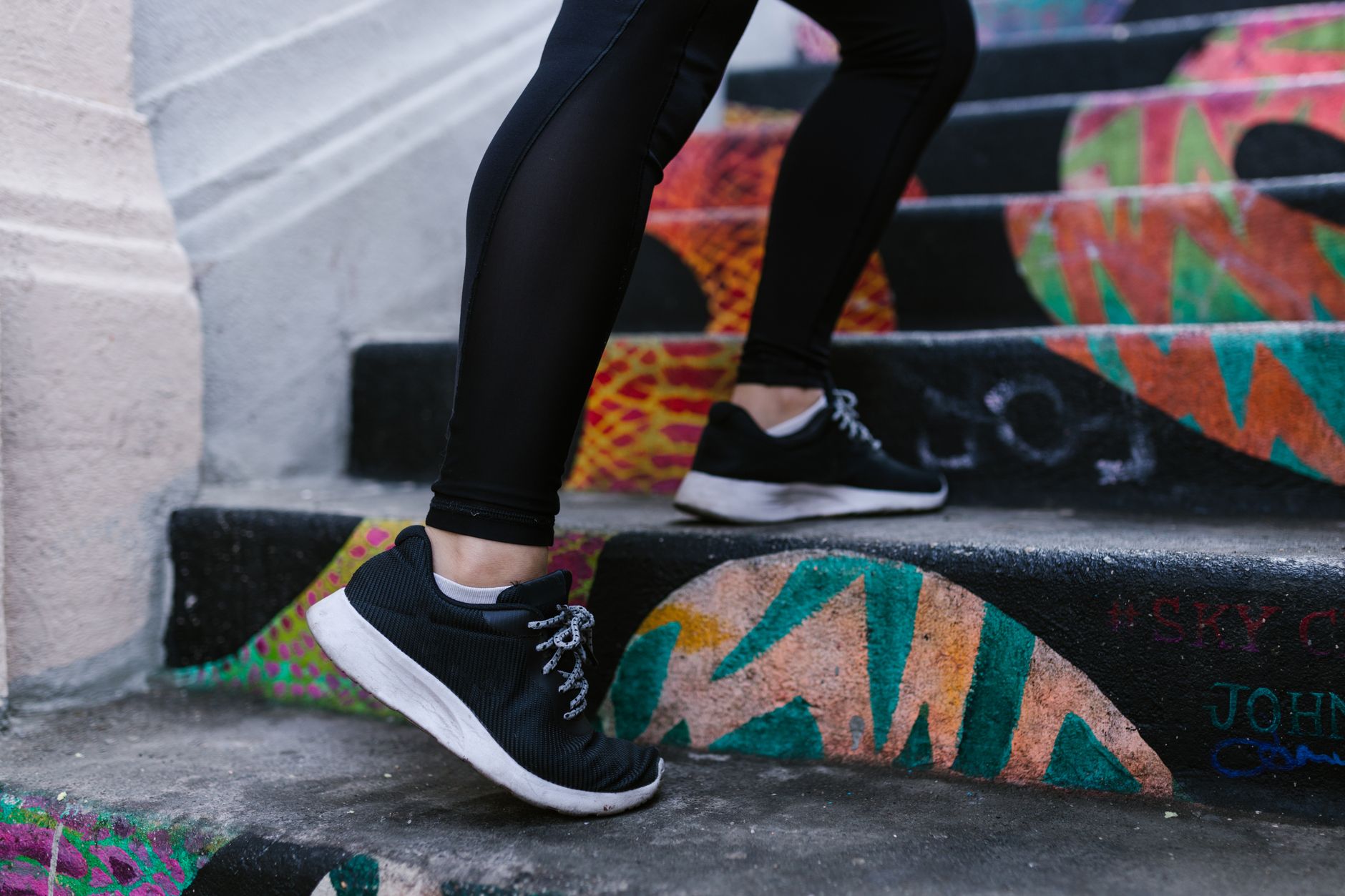
That's why so many studies used stairs. A flight taken fast is self-limiting, needs no equipment and gets you working within seconds. Bodyweight moves — squats, lunges, push-ups — do the same job.
The dose is smaller than you'd guess
The protocols are refreshingly unambitious. Most studies used two to three short bouts on three or more days a week, run over four to twelve weeks.
Read that again, because it's a much lower bar than almost any fitness plan sets. Two or three hard minutes. Three days a week. A couple of months.
Two side effects worth knowing
Short movement raises your total daily energy expenditure, and small numbers compound. An extra 100 calories a day is nothing on a Tuesday and quite a lot across a year.
And in workplaces, surveys have found roughly a 15 percent drop in reported fatigue when teams add short movement sessions. Which squares with what most of us already notice: sitting perfectly still for six hours doesn't actually save energy.
Why this one's worth a try
Most fitness advice fails on logistics, not biology. People know what to do. What they can't reliably find is the hour, the gym, the change of clothes and the recovery time on the other side.
Exercise snacks delete nearly all of that. Take the stairs, fast, instead of the lift. Do 40 genuinely hard seconds of squats before your next call. Walk the long way and walk it quickly.
Short and intense beats scheduled and skipped. That's a useful thing to know on a Sunday.
Image: RDNE Stock project, via Pexels